
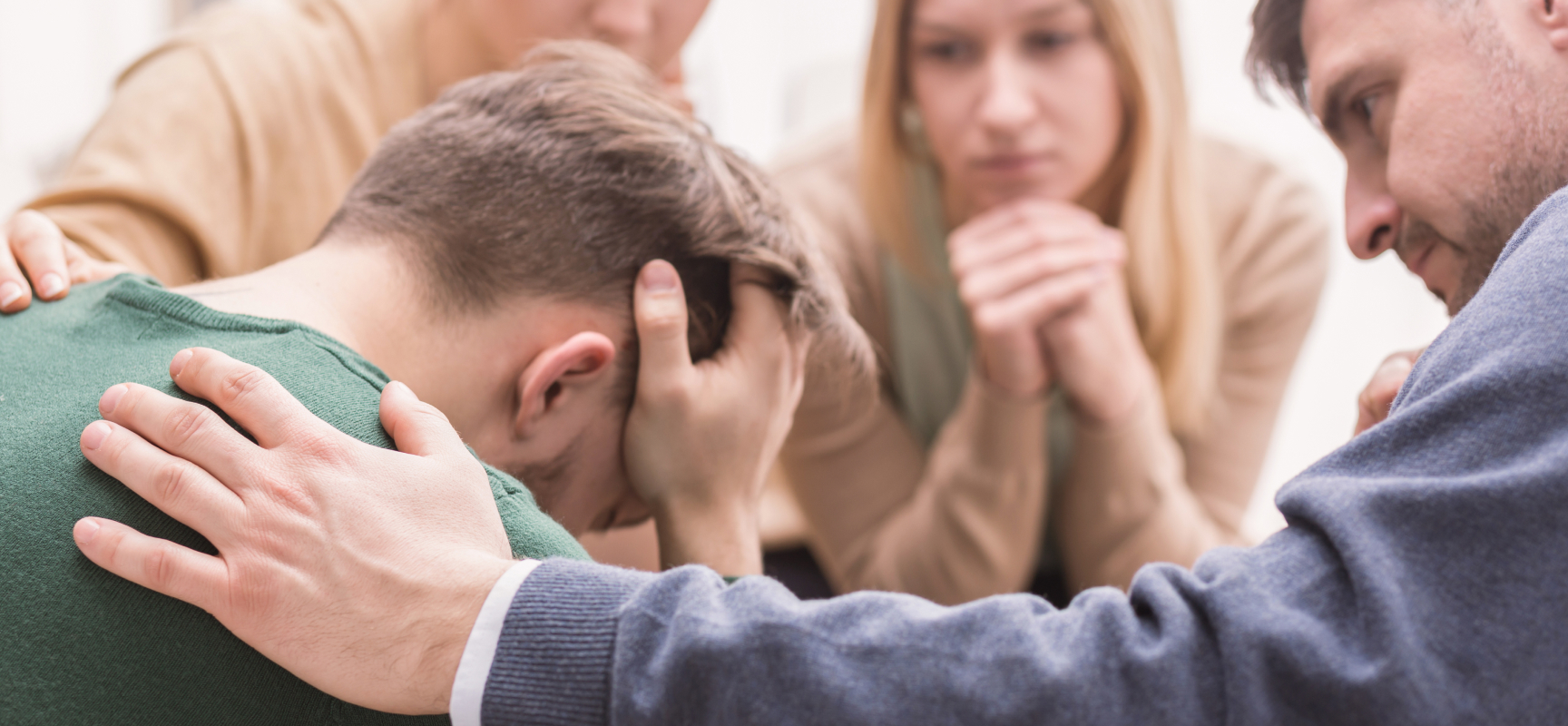
Family Recovery Support
The Disease of Addiction Affects the Whole Family
You’ve been living in crisis mode for so long that you’ve forgotten what normal feels like. Walking on eggshells, making excuses, cleaning up messes. You may be stuck in a pattern of putting their needs ahead of your own at the expense of everything else.
Addiction affects the whole family. Your recovery matters too.
Why Family Recovery Matters
Family recovery support is essential for lasting change. When families heal alongside their loved one, everyone has a better chance at building something healthy and sustainable.
Enabling and Codependent Behaviors
We help families understand patterns that may have developed without anyone realizing it:
- Making excuses for your loved one’s behavior
- Taking over responsibilities they should handle themselves
- Protecting them from natural consequences
- Putting their needs consistently above your own
- Feeling responsible for their emotions and choices
- Avoiding conflict to keep the peace
- Giving money, second chances, or resources that enable continued use
These patterns come from love, but they can keep addiction alive. Learning to love with firm boundaries is part of family recovery.
You’ve Been Changed by This
Living with addiction changes you. You’ve developed habits and patterns that made sense for surviving crisis but don’t serve you in recovery. You’ve learned to manage, control, and accommodate in ways that can actually interfere with your loved one’s healing.
This isn’t your fault. These patterns developed because you were trying to cope with an impossible situation. But now it’s important to recognize them and learn new skills for real healing.
Relationships Need Rebuilding
Addiction damages trust. It creates resentment. It establishes dynamics that don’t work anymore once sobriety begins. Your relationships won’t automatically heal just because your loved one is in recovery.
Family recovery support helps you navigate this phase of rebuilding: how to communicate differently, establish new patterns, and carefully rebuild the trust that was lost.
How We Support Families
We help you make sense of what you’ve been through. Understanding addiction as a disease, and how your family has responded to that disease, provides clarity and reduces blame.
Setting Firm Boundaries
Boundaries aren’t about punishment or control. They’re about protecting your wellbeing and creating conditions where recovery can happen.
We help you:
- Identify which boundaries are most important for your situation
- Communicate them clearly and calmly
- Follow through consistently when they’re tested
- Adjust as circumstances change
The hardest boundaries are usually the most necessary. Having professional support makes holding them possible.
Improving Communication
Years of addiction create communication patterns that may work for survival, but not for recovery—behaviors like avoidance, blame, manipulation, walking on eggshells.
We help families develop new ways of talking to each other: direct but not harsh, honest but not attacking, firm but not punishing.
Processing Trauma and Healing Together
You’ve been through the constant crisis, the fear, the disappointments, and the betrayals. These experiences leave marks. They are traumatic. Family recovery includes space to process your own pain, not just focus on your loved one’s.
When families commit to their own recovery alongside their loved one, the outcomes improve for everyone. You’re doing the work to build a healthier family system that supports lasting change.
What to Expect
Ongoing Coaching
Family recovery support involves regular sessions with one of our interventionists. These may include one-on-one sessions to address your specific concerns, or group family sessions.
Practical Guidance
We focus on the real situations you’re facing with your loved one. When you’re dealing with a boundary violation, a difficult conversation, or a family conflict—we help you navigate it.
Long-Term Support
Recovery is a long process. Families often continue working with us through different stages of healing, from the early days of treatment through the transition to independence. We’re here as long as you need us.

You’re Suffering and It’s Not Your Fault
Over 48 million Americans struggle with addiction. That means millions of families are dealing with the exact same pain you’re experiencing right now.
We’re here to help you find a way through the constant fear, sleepless nights, and cycle of crisis.